


Intel CEO Pat Gelsinger’s transformation efforts appear to be paying off, with the company’s second-quarter revenue growing 25% year-on-year to $16.1 billion. Gelsinger described it as “the strongest revenue growth in over 15 years” for Intel.
As expected, the star of this quarter was Intel’s Data Center and AI business unit, with revenue growing by 59% to $6.3 billion and operating profit increasing from $600 million to $2.5 billion.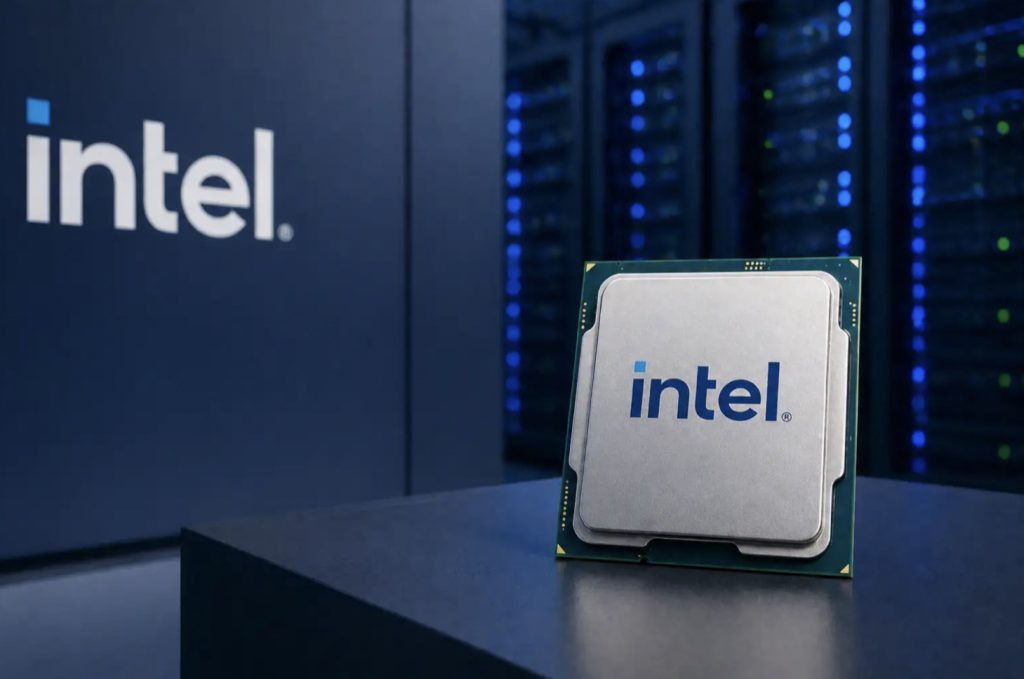
Chen Liwu stated during the second-quarter earnings call conference: “Cloud and enterprise demand is accelerating, with customers increasingly recognizing the critical role of CPUs—particularly x86 CPUs—in AI infrastructure.” He added that Intel’s Xeon 6 system remains “one of the fastest-growing products in Intel’s history” and highlighted the company’s collaboration with chipmaker SambaNova on decoupled inference technology. Intel holds a 9% stake in SambaNova.
Jack Gold, founder of J. Gold Associates, noted in a report to investors that Intel’s data center and AI business performance “indicates that AI development is not solely about GPUs, but increasingly also about the accelerated CPUs Intel is producing, which remain in high demand.”
Client computing and physical AI revenue grew 13% to $8.9 billion. Intel’s foundry business revenue increased 30% to $5.8 billion. Despite a $2 billion loss in the foundry business, Intel’s consolidated operating profit remained at $1.8 billion, marking a stark contrast to the $3.2 billion operating loss in the same period last year.
Gold wrote: “It may take at least three to four more quarters for this business to fully turn around, but the trajectory is encouraging. Although revenue could be negatively impacted if the AI demand bubble bursts, Gold pointed out that investments so far show no signs of weakening, and he expects continued profit improvement in the coming quarters.”
Emarketer senior analyst Jacob Bourne noted in a comment to Fierce that Intel also raised its spending outlook, attributing its “bullish prospects” to the performance of its data center business. He added that the unresolved question is “how the foundry business will fare, which lost $2.1 billion and has yet to secure key clients crucial to Intel’s strategy.”
Intel appears to be confident. The company has raised its planned capital expenditure for 2026 to $20 billion, with CFO David Zinsner stating that this reflects its confidence in customer demand across all business segments.
